
Why Is My Roof Leaking? Common Causes, Warning Signs & Repair Tips
Roof leaks never start big. They always start small.
Main reasons your roof is leaking
1. Damaged or Missing shingles
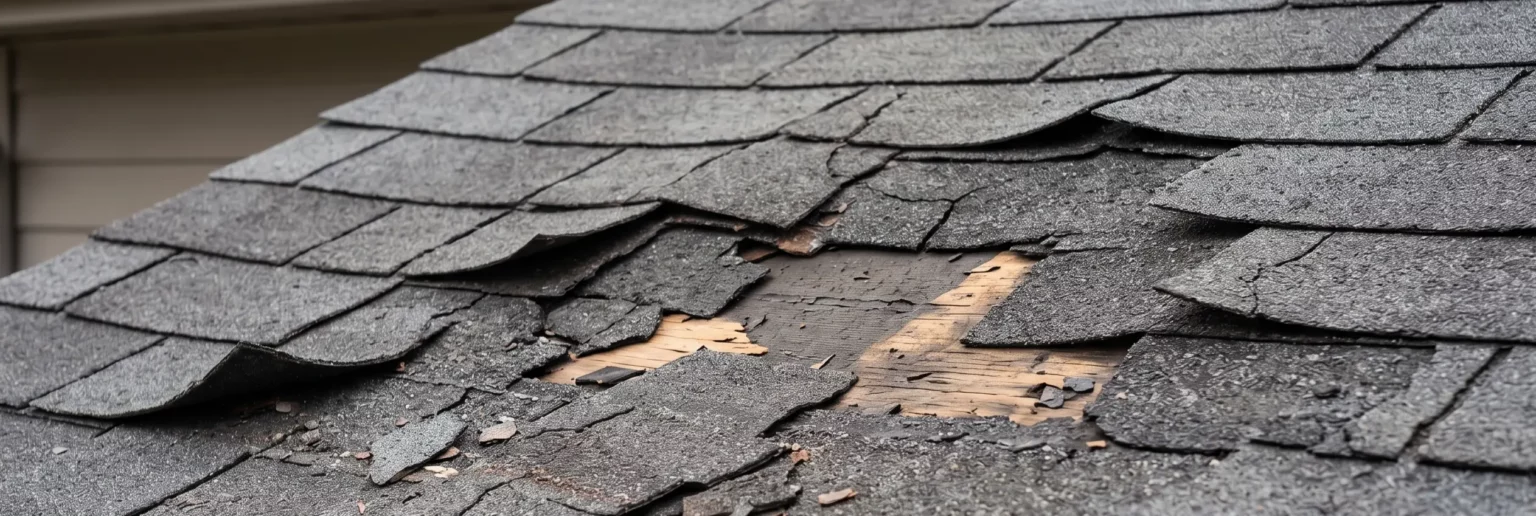
Shingles protect your roof from rain, snow, and wind. Over time, they can crack, break, curl, or blow away during storms. When shingles are damaged or missing, water can easily get into your roof and cause leaks. Replacing damaged shingles early can help prevent expensive roof repairs.
2. Aging roof
Every roof has a limited lifespan. Most asphalt shingle roofs last between 15 and 25 years, depending on the material and weather conditions. As your roof gets older, the materials become weaker and small cracks can appear. An aging roof is more likely to develop leaks, especially during heavy rain or winter weather.

3. Clogged gutters
Gutters help move rainwater and melting snow away from your roof. When they are blocked by leaves, dirt, or ice, water cannot drain properly. Instead, it collects along the roof edge and can seep under the shingles. Cleaning your gutters regularly helps prevent roof leaks and water damage.

4. Ice and snow damage
Ice and snow are a common cause of roof leaks during winter, especially in Canada. Snow melts during the day and freezes again at night, creating ice dams along the roof edge. These ice dams stop water from draining properly, allowing it to get under the shingles and into your home. Good attic insulation and regular roof maintenance can help prevent this problem.

5. Damaged flashing
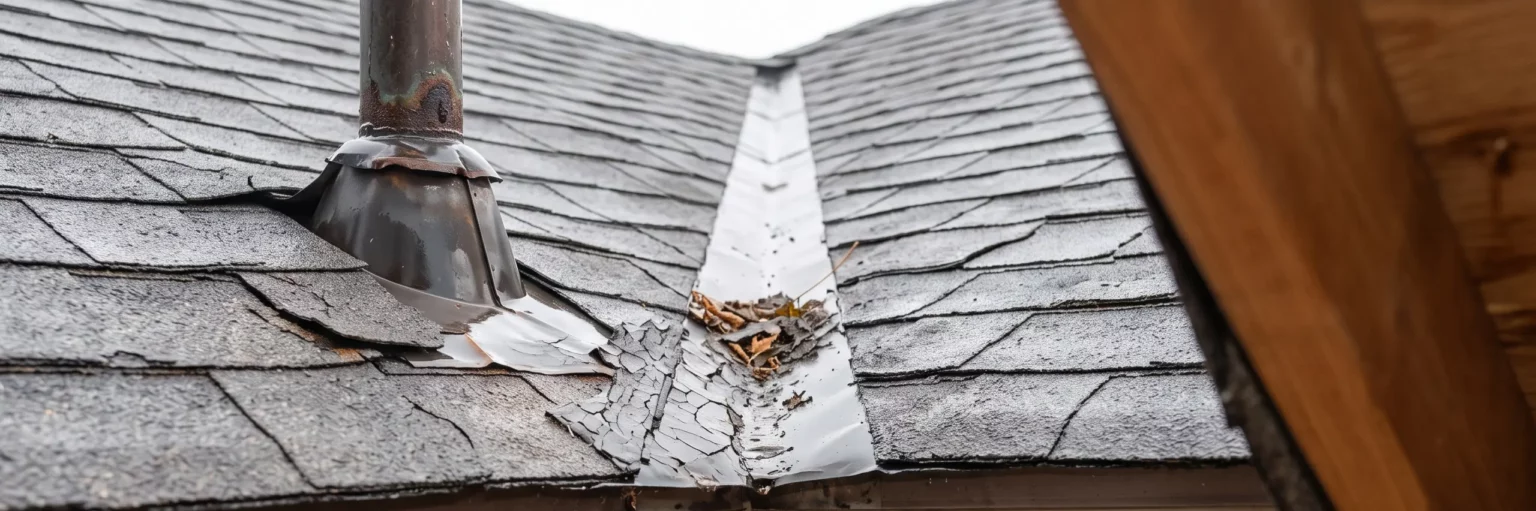
Flashing is the thin metal placed around chimneys, vents, skylights, and roof joints to keep water out. Over time, flashing can become loose, rusted, or cracked because of weather and age. Once it is damaged, rainwater can enter your roof and cause leaks. Repairing flashing early helps keep your roof watertight.

Early warning signs of a roof leak
1) Water stains on ceiling
Brown or yellow stains on your ceiling are often one of the first signs of a roof leak. These stains show that water is entering your home and should be checked as soon as possible.
2) Peeling Paint Inside Your Home
Moisture from a roof leak can cause paint or wallpaper to peel, bubble, or crack. This is a sign that water is getting behind your walls or ceiling.
3) Damp Smell in the Attic
A musty or damp smell in your attic may mean that water is entering through the roof. Too much moisture can also lead to mold and mildew growth.
4) Small Drips During Rain
If you notice water dripping from your ceiling or walls while it is raining, your roof may have a leak. Even a small drip can become a bigger problem if it is not repaired quickly.
5) Mold Spots on Walls or Ceilings
Mold grows in damp areas where water collects. If you see dark spots or mold on your walls or ceiling, a roof leak could be the cause. Fixing the leak early helps protect your home and improve indoor air quality.
Don’t Ignore the Warning Signs
Even one small sign of a roof leak should not be ignored. Fixing roof problems early can prevent costly water damage, protect your home, and extend the life of your roof. Regular roof inspections and maintenance are the best ways to keep your roof in good condition throughout the year.

What Happens If You Ignore a Roof Leak?
A small roof leak may not seem like a big problem, but it can quickly become much worse. Repairing a leak early is usually simple and affordable. If it is ignored, the damage can spread throughout your home and lead to costly repairs.
1) Rotting Wood Inside the Roof
Water that leaks into your roof can soak the wooden parts of the roof structure. Over time, the wood becomes weak, soft, and starts to rot. This can reduce the strength of your roof and may require major repairs.
2) Mold Growth
A roof leak creates a damp environment where mold can grow. Mold can spread to your attic, walls, ceilings, and insulation. It may also affect indoor air quality and cause health problems, especially for people with allergies or breathing conditions.
3) Ceiling Damage or Collapse
When water continues to collect above your ceiling, it can weaken the ceiling materials. You may notice stains, bubbles, or sagging areas. In severe cases, part of the ceiling can collapse, creating a serious safety risk and expensive repair costs.
4) Higher Repair Costs
Small roof leaks are usually quick and affordable to fix. However, if the leak is left untreated, it can damage your roof, insulation, walls, ceilings, and even your home’s structure. What starts as a small repair can turn into a much larger and more expensive project.
5) Fix Roof Leaks Early
A roof leak will not fix itself. The sooner you repair it, the easier and less expensive the repair will be. Regular roof inspections and timely maintenance help protect your home, prevent water damage, and extend the life of your roof.
Note: A $300 repair can turn into thousands if ignored.

What You Should Do Immediately
If you notice a roof leak, take quick action to reduce damage and protect your home. Follow these simple steps until professional help is available.
1) Place a Bucket Under the Leak
Put a bucket or container under the dripping water to prevent damage to your floors, furniture, and belongings. This can help control the water until the leak is repaired.
2) Move Furniture Away from Wet Areas
Move furniture, electronics, and valuable items away from the leaking area. Protecting your belongings early can help prevent additional water damage.
3) Do Not Climb the Roof in Rain or Snow
A wet, snowy, or icy roof can be extremely dangerous. Avoid climbing onto the roof and contact a professional roofer who can safely inspect and repair the problem.
Taking quick steps after a roof leak can help reduce damage and prevent costly repairs.
Call a roofing professional
We inspect at no charge, find the real cause of leaks, and fix them before they become serious damage.
A leaking roof can cause serious moisture and mould problems inside your home if it is not repaired on time. To learn more about preventing moisture damage and protecting indoor air quality, read the official Health Canada guide on moisture and mould prevention: Health Canada – Guide to Addressing Moisture and Mould Indoors`